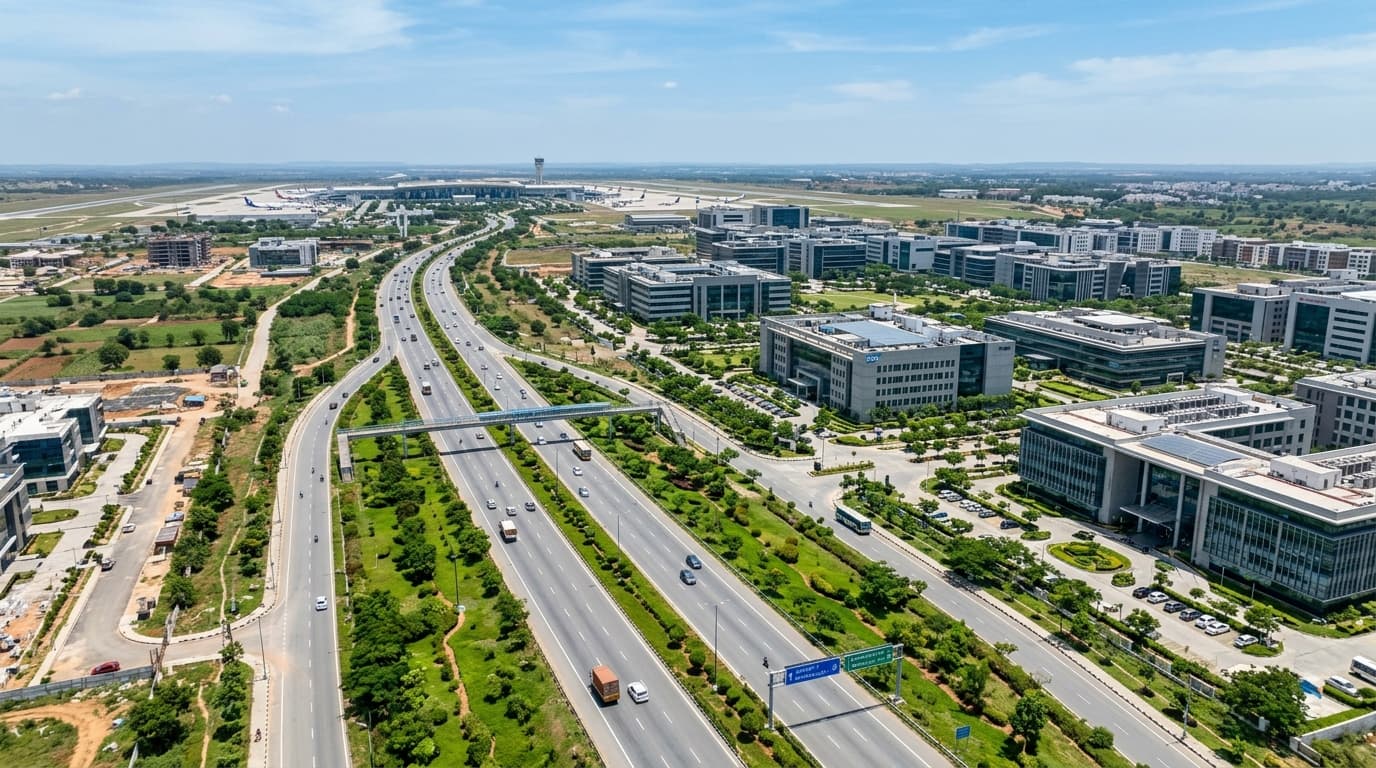

The Shift from Residential Yields to Commercial Cashflows
For generations, retail Indian real estate investment was synonymous with purchasing residential 2 BHK or 3 BHK apartments. However, the macroeconomic reality of residential property has become increasingly difficult to ignore:
- Residential Gross Rental Yields in Bengaluru: Hover between 2.5% and 3.5% annually.
- Tenant Turnover & Maintenance Overhead: Ongoing renovation costs, frequent vacancies, and non-recoverable society maintenance fees erode net returns.
In contrast, Grade-A Commercial Real Estate consistently generates 8% to 10% gross yields, supplemented by institutional 15% lease escalations every three years and long-term 9-year tenant lock-ins.
Historically accessible only to sovereign wealth funds and ultra-HNIs with ₹25+ Crores in capital, the landscape has been revolutionized through Fractional Real Estate Ownership and SEBI's Small and Medium REIT (SM REIT) framework.
What Is Fractional Commercial Ownership?
Fractional ownership allows multiple high-net-worth investors to pool capital to acquire pre-leased, Grade-A commercial assets (office buildings, logistics parks, tech centers).
- An asset-specific Special Purpose Vehicle (SPV) is formed to acquire the property.
- Investors hold equity shares or debentures in the SPV proportionate to their investment.
- Monthly rental proceeds from multinational corporate tenants are distributed directly to investors' bank accounts.
- Capital appreciation is realized upon portfolio revaluation or final asset exit.
Why Bengaluru Tech Corridors Lead Commercial Absorption
Bengaluru accounts for over 30% of India's total Grade-A commercial office leasing demand, driven by:
- Global Capability Centers (GCCs): International banks, healthcare giants, and aerospace corporations establishing proprietary R&D hubs rather than third-party outsourcing desks.
- Aerospace & Electronics Anchors: Corridors like KIADB Aerospace Park in Devanahalli host mega-campuses for Boeing, Airbus, and Foxconn, creating immense secondary demand for executive office plates.
- World Trade Center Presence: Developments bearing the World Trade Center WTC brand command premium occupancy rates and blue-chip international corporate tenancy due to global trade networking facilities.
Key Investment Metrics: Commercial vs Residential
| Financial Metric | Grade-A Commercial Office | Prime Residential Apartment |
|---|---|---|
| Gross Rental Yield | 8.5% – 10.5% | 2.5% – 3.2% |
| Typical Lease Term | 9 Years (3+3+3 or 5+4 structure) | 11 Months |
| Rent Escalation | 15% every 3 years (contractual) | Informal / Subject to renegotiation |
| Fit-out & Capex | Borne primarily by tenant | Borne entirely by landlord |
| Default Risk | Negligible (MNC balance sheets) | Moderate |
Strategic Criteria for Evaluating Commercial Properties
Before participating in commercial assets or fractional plates, institutional investors evaluate four pillars:
- Grade-A Developer Credentials: Ensure the developer has a track record of institutional asset delivery (e.g., Brigade Group, Prestige, Embassy).
- Weighted Average Lease Expiry (WALE): Higher WALE numbers (exceeding 5–7 years) provide stability against macroeconomic business cycles.
- Green Building Certification: Modern MNCs will only occupy IGBC Platinum or LEED Gold certified campuses with energy efficiency and ESG compliance.
- Transit Infrastructure: Proximity to operational expressways and planned metro stations—such as the Blue Line airport corridor passing through Devanahalli—guarantees uninterrupted employee commute accessibility.
Conclusion
For investors seeking inflation-beating passive income and solid capital appreciation, allocating capital toward Grade-A commercial spaces in North Bangalore's technology growth nodes offers superior risk-adjusted yields compared to conventional residential assets.